
Wolverine Stack Peptides: Complete Guide to BPC-157 + TB-500
Everything you need to know about wolverine stack peptides — how BPC-157 and TB-500 work together, what research shows, and what real users are reporting.
 Harrison Peralta · Updated Jul 2026 · 11 min read
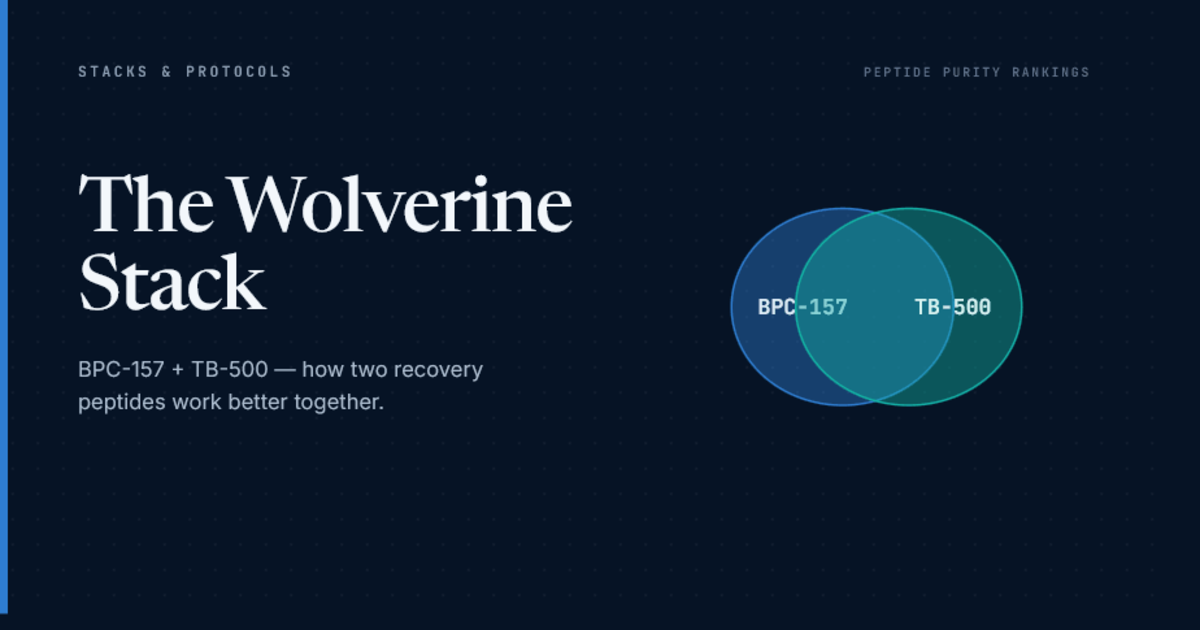
- Wolverine stack peptides refer to the popular combination of BPC-157 and TB-500 — two research peptides frequently stacked because they appear to complement each other in supporting tissue repair and recovery.
- BPC-157 is studied for localized healing and gut support, while TB-500 is examined for cell migration and overall tissue remodeling.
- Many people report better results using both together than either one alone — though formal human research on the combination remains limited.
What are wolverine stack peptides?
The term “Wolverine Stack” comes from the Marvel character known for rapid healing. In research communities, wolverine stack peptides (BPC-157 + TB-500) have become one of the most discussed combinations for injury recovery and tissue repair. If you’re new to either compound, start with our BPC-157 research profile and TB-500 research profile.
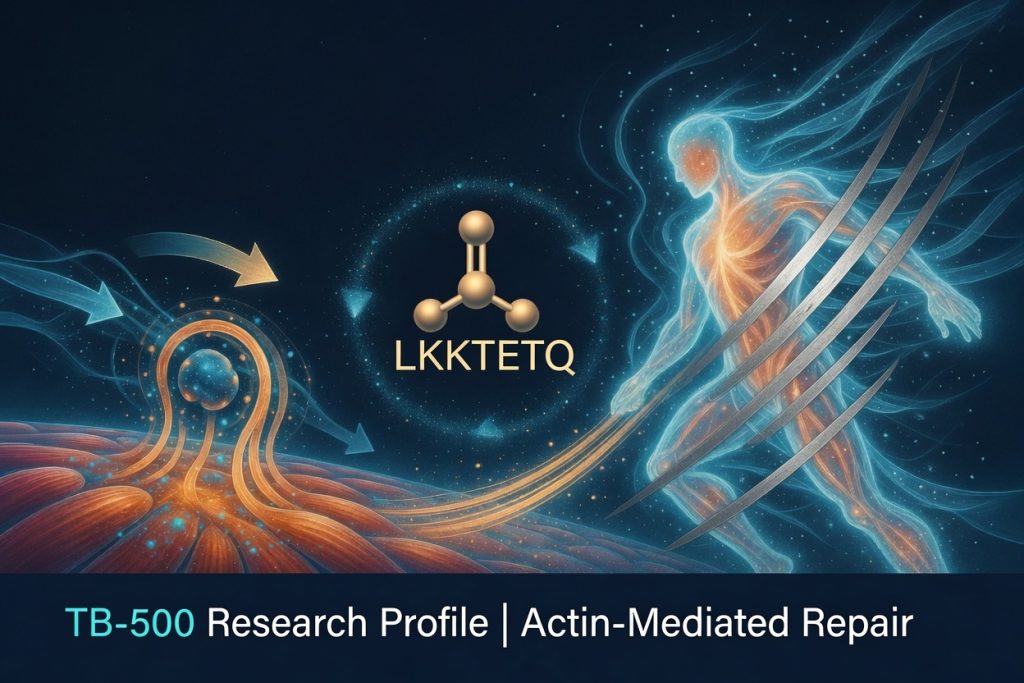
BPC-157 — a 15-amino-acid peptide derived from a protein found in gastric juice; researched for tendon and ligament healing, gut-lining repair, reduced inflammation, and improved blood flow to damaged areas. · TB-500 — a synthetic fragment of thymosin beta-4 that regulates actin to help cells move and restructure during healing; studied for enhanced cell migration, tissue remodeling, reduced inflammation, and new blood-vessel formation.
How BPC-157 and TB-500 work together in wolverine stack peptides
These two peptides appear to influence different aspects of the healing process, which is why many people combine them as wolverine stack peptides:
| Aspect | BPC-157 | TB-500 | Combined benefit |
|---|---|---|---|
| Primary focus | Localized repair & gut health | Systemic cell movement & flexibility | More complete recovery support |
| Main mechanism | Angiogenesis & cytoprotection | Actin regulation | Better blood flow + cell migration |
| Best for | Tendons, ligaments, gut issues | Muscle recovery, chronic tightness | Synergistic healing |
| Common user feedback | Faster localized healing | Improved mobility & reduced stiffness | Faster overall recovery |
Many users describe BPC-157 as helping “fix the specific problem area” while TB-500 helps the body transport repair resources more efficiently.
Research on wolverine stack peptides
- BPC-157 research — most studies come from animal models, with promising results in tendon and ligament healing, gut repair, and anti-inflammatory effects. A Phase II clinical trial was conducted on a version of this peptide for ulcerative colitis.
- TB-500 research — preclinical studies on thymosin beta-4 and its fragments show benefits in wound healing, reduced inflammation, and improved tissue repair. The full thymosin beta-4 protein has also been studied in some human eye-healing trials.
- Combined use — while there are currently no large published human trials specifically on the BPC-157 + TB-500 combination, the individual research on each peptide provides a scientific foundation for why many people explore wolverine stack peptides together.
Multifunctionality of BPC 157 Peptide — Pharmaceuticals, 2025 → · Thymosin beta-4 & tissue-repair research on PubMed →
What real users report about wolverine stack peptides
In peptide communities, wolverine stack peptides are one of the most popular combinations. Common reports include:
- Faster tendon and ligament recovery — many users say injuries that previously took months improved noticeably faster when using both peptides.
- Reduced chronic tightness and better mobility — TB-500 often gets credit for long-standing stiffness, while BPC-157 helps with localized pain and healing.
- Improved post-injury and post-surgery recovery — some people report smoother healing when stacking the two.
- Gut-health support — BPC-157 is frequently credited with helping digestive issues, even when the main goal was injury recovery.
While results vary between individuals, the consistency of positive feedback is one reason wolverine stack peptides remain widely used.
Typical research dosing for wolverine stack peptides
Educational reference only. The figures below summarize protocols reported in the literature and research community — they are not dosing guidance for any human use.
| Peptide | Typical dose | Frequency | Route | Common duration | Notes |
|---|---|---|---|---|---|
| BPC-157 | 250–500 mcg | 1–2× daily | SubQ (near injury or systemic) | 4–8 weeks | Often used daily |
| TB-500 | 2.0–2.5 mg | 2× per week | SubQ | 4–6 wks (loading) | Then maintenance |
Many people run BPC-157 daily while using TB-500 twice per week during the initial loading phase.
Practical tips for using wolverine stack peptides
- Use high-quality material with verifiable third-party COAs — see our vendor evaluation guide and current vendor rankings →
- Start with moderate doses to assess individual response.
- Combine the stack with proper nutrition, sleep, and physical rehabilitation.
- Run the stack for 6–8 weeks and then assess results.
BPC-157 and TB-500 are research compounds and are not approved by the FDA for human therapeutic use. This article is for educational purposes only. Individual results vary. Always consult a qualified healthcare professional before considering any research peptide.
Bottom line
Wolverine stack peptides (BPC-157 + TB-500) are popular because the two compounds appear to support different aspects of healing. While formal research on the combination is still limited, individual studies on each peptide and widespread user feedback suggest they can work well together for injury recovery and tissue repair. As with any research peptide protocol, results depend heavily on product quality, individual biology, and supporting lifestyle factors.

Harrison Peralta is a serial entrepreneur and investor with several successful startup exits, and a dedicated researcher and biohacker who turns dense laboratory data into decisions anyone can act on. Before building companies of his own, he held leadership roles at Amazon, Microsoft, and KPMG.
More reading
Keep going
The independent standard for evaluating research peptide vendors — ranked on verified lab testing, transparency, and quality.
Content is provided for research and informational purposes only. Products are evaluated for laboratory research use; the site offers no medical, dosing, or human-use advice. Not for human consumption.
© 2026 · v1.0